


Innovation in the works: Sea Source thermal energy networks
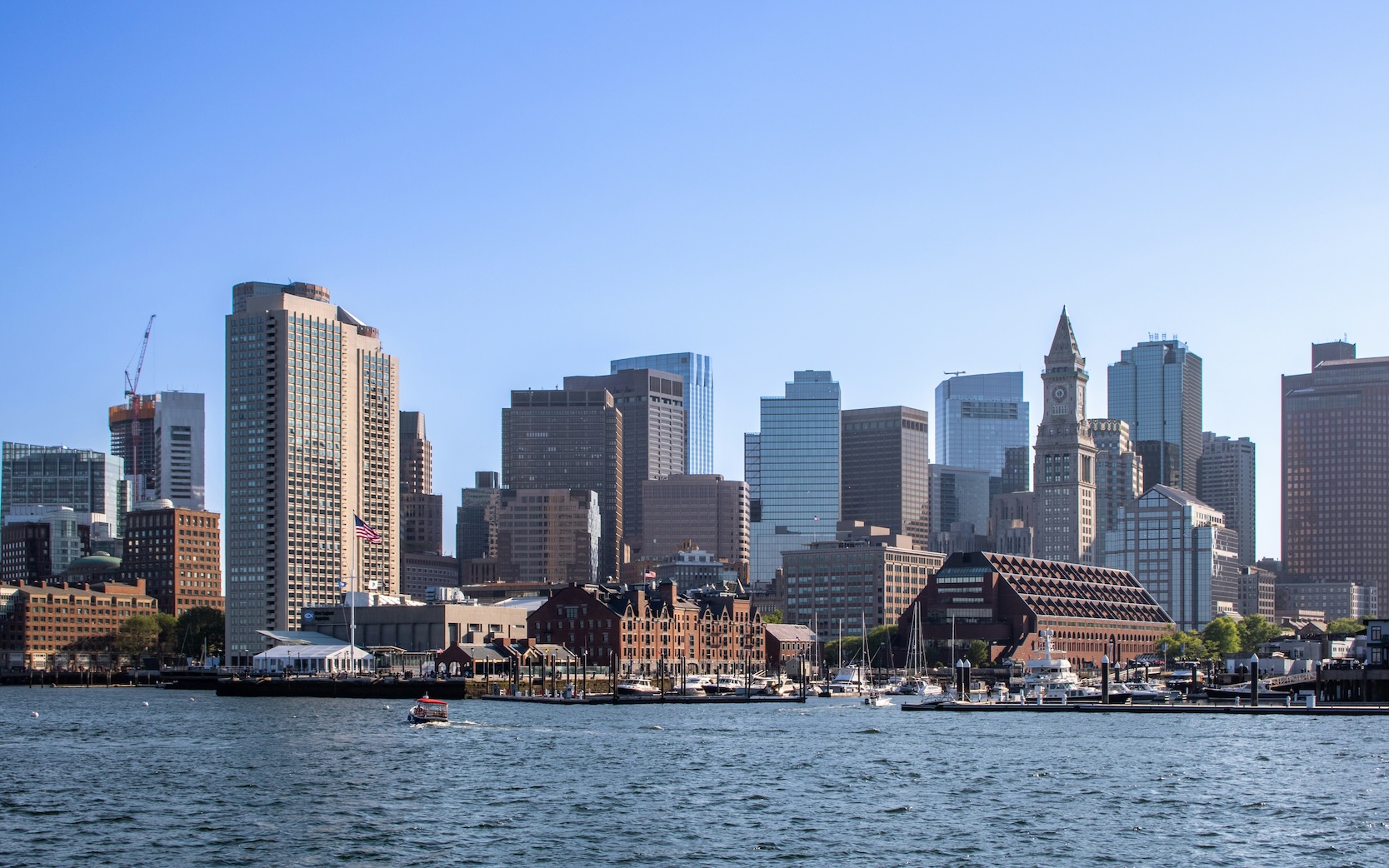
Water naturally absorbs more heat than soil or rock and much more than air, which makes oceans excellent at helping to stabilize global temperature. But that heat absorption capacity also makes them particularly susceptible to a warming planet. Oceanographic research indicates that oceans globally are absorbing 90% of the excess heat generated by carbon emissions, with harsh consequences for ecosystems and fisheries.
What if we could use that extra heat (thermal energy) for good—while also addressing energy affordability?
That’s the question that led Zeyneb to coin the term ‘Anthrothermal’ for the thermal energy that is derived from human activity. Zeyneb turned to HEET scientist Archana Dayalu to investigate how to quantify that excess heat locally, here in Boston. Archana developed a methodology and, using data provided by the National Oceanic and Atmospheric Administration (NOAA), found that the average temperatures of Boston Harbor today are warmer by 5.8°F (~ 3°C) than the average temperatures in the first half of the twentieth century. This helps explain why our iconic lobsters have moved north. Boston Harbor is just not cool enough anymore!
But with this problem comes a thermal opportunity: tapping that sea source heat to provide local, safe, clean energy to our homes and offices. HEET examined efforts around the globe that exchange heat with bodies of water, such as the Toronto lake plates for cooling, the new Swedish Ocean Heat Pump, and the titanium seawater heat pump under the dock at the Chinese Olympic Media Center—all with the goal of designing an approach in Boston to minimize negative ecosystem impacts while maximizing thermal exchange.
First, we committed to developing a closed-loop thermal exchange—which eliminates any direct extraction of water, removes any need for biocide use in equipment, and extends the life of the infrastructure investment. This also avoids localized thermal disruption with large temperature changes around a single point of extraction or exchange. Second, we committed to designing an approach that could draw down the anthrothermal of the entire harbor and bay, while providing reliable, safe and efficient heat to local buildings. Third, we committed to incremental or staged infrastructure growth to allow the land side capacity to utilize the thermal energy time to catch up to the resource capacity.
The result? An ambient temperature, single pipe, ring design (sound familiar?) ‘thermal network or loop’ resting on the harbor floor allows for distributed thermal exchange while also providing the opportunity to scale through the interconnection of additional ‘loops’. Each seasource loop can have multiple supply and return connections to shore and multiple connected thermal exchange resources. This flexibility allows us to, for example, propose an initial small first loop in Boston’s Inner Harbor, which we estimate could draw down enough excess anthrothermal energy to heat 2,500 Boston area buildings. Interconnect and grow the system and we may be able to provide enough heat for our entire city. This could help restore our beautiful harbor to preindustrial temperatures. It might even bring the lobsters back!
Stay tuned for more updates on this research!


